Imagine transforming your home into a buyer’s dream overnight. It’s not just about selling a property; it’s about crafting an irresistible story that captivates potential buyers at first glance. With the right strategies, you can turn your house into a hot commodity that sells in record time while maximizing your profits.
From boosting curb appeal to setting the perfect price, every step you take can be the difference between a prolonged listing and a quick, lucrative sale. Let’s dive into proven techniques and creative ideas that ensure your home stands out in the competitive market, attracting offers that are too good to resist!
Preparing Your Home for Sale
In the journey to sell your home swiftly and profitably, preparation is your secret weapon. Transform your property into an irresistible dream home that captures buyers’ hearts at first sight.
The art of preparation involves understanding what potential buyers value most and ensuring that your home ticks all those boxes effortlessly.
Enhancing Curb Appeal with Impact
First impressions make or break a sale. The exterior of your home is the first thing potential buyers see, so let it sparkle. Consider these effective techniques to enhance curb appeal:
- Landscaping: A well-maintained garden or yard speaks volumes. Trim hedges, mow the lawn, and plant seasonal flowers for a splash of color.
- Front Door Charm: Repaint your front door in a welcoming color and update door fixtures for a fresh look.
- Lighting: Adequate outdoor lighting not only adds to the appeal but also provides a safe, welcoming environment for evening viewings.
Home Staging Essentials Checklist
Staging your home can be the deciding factor for a buyer. Create a space that feels both inviting and practical with this checklist:
- Declutter rooms to create a sense of space.
- Rearrange furniture to highlight each room’s best features.
- Use neutral colors to appeal to a wider audience.
- Incorporate mirrors to enhance natural light and space perception.
- Add fresh flowers or plants for a touch of life and color.
Small Renovations with Big Impact
Not all renovations are created equal. Focus on small changes that pack a punch and significantly increase your home’s value:
- Kitchen Refresh: Update cabinet hardware, add a modern backsplash, and if budget permits, replace old appliances with energy-efficient models.
- Bathroom Upgrades: A new vanity, updated fixtures, or a fresh coat of paint can make a world of difference.
- Flooring: Replace worn carpets or consider refinishing hardwood floors for an elegant touch.
Cleaning Tips for an Inspection-Ready Home
A clean home speaks volumes of care and maintenance. Make your property inspection-ready with these cleaning tips:
| Area | Cleaning Action |
|---|---|
| Kitchens | Deep clean all appliances, countertops, and cabinets. Ensure no lingering odors. |
| Bathrooms | Scrub tiles and grout, and ensure fixtures are sparkling. |
| Living Spaces | Dust all surfaces, including ceiling fans and light fixtures, and vacuum carpets thoroughly. |
| Windows | Clean inside and out for crystal-clear views. |
“A spotless home is a message of care and opportunity to potential buyers.”
Setting the Right Price
Pricing your home correctly is a pivotal step in ensuring a swift and profitable sale. It requires a balance of market knowledge, strategic thinking, and a touch of finesse.
By setting the right price, you lay the groundwork for attracting serious buyers and potentially sparking a bidding war that can elevate your final sale price.
Conducting a Comparative Market Analysis
To establish a strong pricing strategy, start by conducting a comparative market analysis (CMA). This involves assessing recent sales of similar properties in your area. Consider properties that match your home in size, condition, location, and features. This data offers insights into current market dynamics and helps gauge the competitive landscape. Engage a real estate professional for a more detailed CMA, ensuring you leave no stone unturned in your pricing quest.
Evaluating Neighborhood Trends Affecting Pricing
Understanding neighborhood trends is crucial in setting a competitive price. Factors such as local economic conditions, school district ratings, and upcoming infrastructure projects can significantly influence property values. Stay abreast of these elements by reviewing local news and real estate reports. A comprehensive awareness of these trends provides a distinct advantage when pricing your home strategically.
Cost vs. Potential Selling Price
Carefully balance renovation costs with the potential selling price to ensure you invest wisely and gain maximum returns. Below is a responsive table illustrating this comparison:
| Renovation Cost | Potential Selling Price |
|---|---|
| $5,000 | $10,000 Increase |
| $10,000 | $15,000 Increase |
| $20,000 | $25,000 Increase |
Allocating funds judiciously can yield substantial rewards, turning modest home improvements into significant profit boosts.
Pricing Strategies to Attract Multiple Offers
To stir interest and encourage multiple offers, consider listing your home at a slightly lower price than its estimated market value. This strategy can generate a buzz, often leading to a competitive bidding environment. Additionally, setting a price with psychological appeal, such as ending with ‘9,000’ rather than a round number, can influence buyer perception positively.
“The right price is like a magnet, drawing in buyers eager to call your house their home.”
Marketing Strategies for a Fast Sale
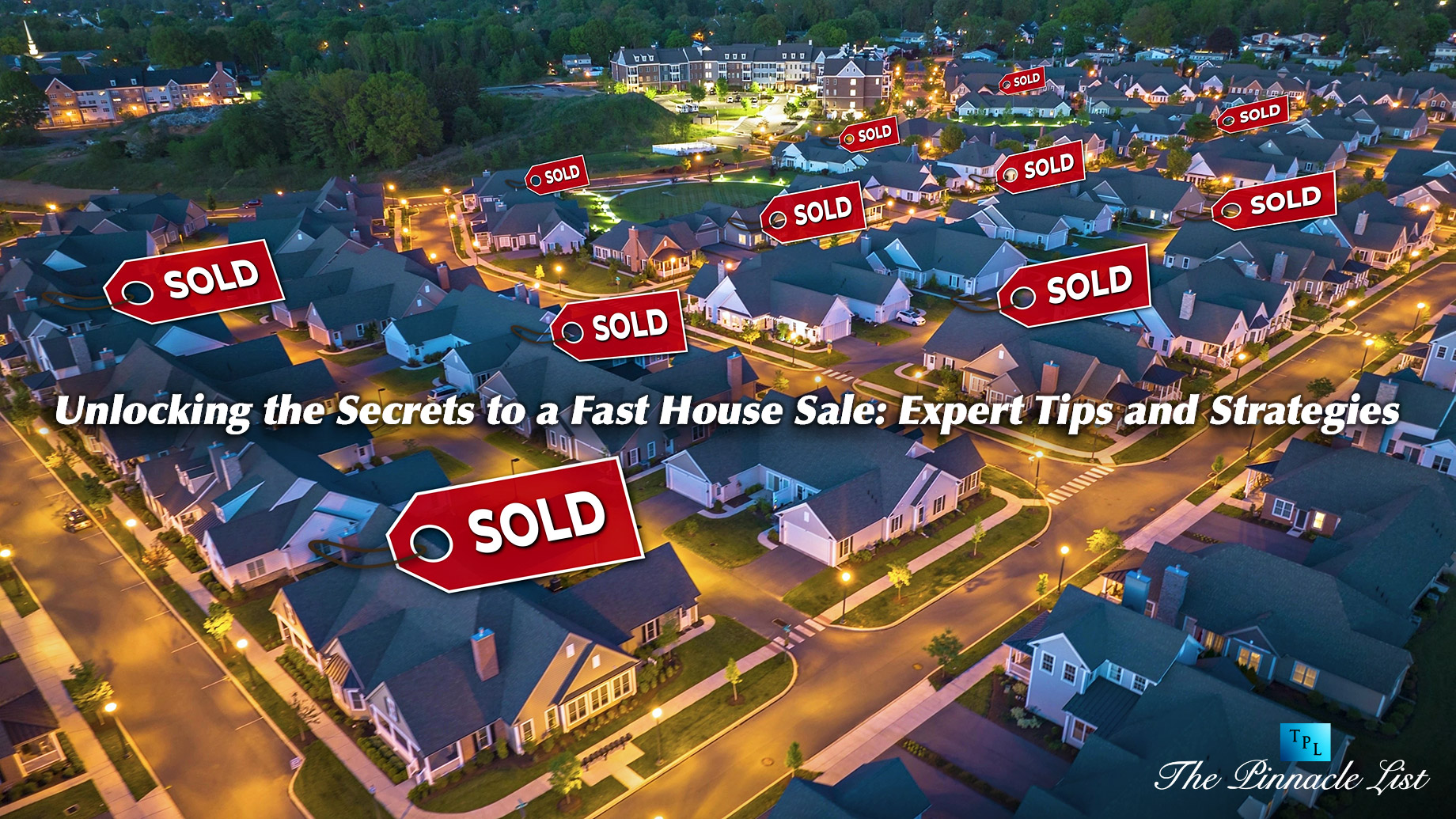
Embarking on the journey to sell your home swiftly and profitably requires a powerful marketing strategy. This approach combines both digital prowess and traditional wisdom to maximize visibility and attract the right buyers.
By leveraging a comprehensive marketing plan, you can ensure that your property stands out in a competitive market. Let’s delve into the most effective strategies that can facilitate a quick and lucrative sale.
Organizing a Marketing Plan Using Digital and Traditional Channels
Crafting a robust marketing plan is akin to weaving a tapestry that blends modern tools with classic techniques. Employ a mixture of online advertising and offline methods to cast a wide net and reach potential buyers wherever they may be. Utilize online platforms such as real estate websites, social media, and email campaigns, while also considering the power of traditional channels like print ads and open house events to create a balanced marketing mix.
Designing Compelling Property Listings with Engaging Descriptions
To capture the hearts and minds of potential buyers, your property listing must sing with vivid imagery and enticing details. Craft descriptions that highlight unique features with appealing language, transforming ordinary facts into unforgettable narratives. Words have the power to evoke emotions and inspire visions of a future home, so utilize them wisely to paint an irresistible picture.
Photography Tips for Showcasing Home Features
Great photography can be the difference between a fleeting glance and a second look. Here are some tips to ensure your home is captured in the best light:
- Use natural lighting to create a warm and inviting feel.
- Focus on key features that make your property stand out, such as a spacious kitchen or a cozy fireplace.
- Ensure each room is decluttered and styled with care to provide a welcoming aesthetic.
- Consider hiring a professional photographer for high-quality images that make your listing pop.
The Role of Social Media Platforms in Real Estate Marketing
In today’s digital age, social media is an invaluable tool for reaching a large audience quickly and efficiently. Platforms like Instagram, Facebook, and Twitter allow for targeted advertising and engaging content sharing, turning followers into potential buyers. Create visually striking posts that showcase your property’s best features and use hashtags and geo-tagging to connect with local buyers actively searching for a new home. Remember,
“Social media is not just a tool. It is an amplifier.”
Use it to multiply your marketing efforts exponentially.
Negotiating Offers Effectively
Unlock the art of negotiation to ensure you not only sell your house swiftly but also profitably. Mastering this skill can make the difference between just selling and selling successfully.
When it comes to securing the best offer, having a strategic approach to negotiations can significantly impact your final sale price. Let’s dive into the essential techniques that will empower you to navigate offers with confidence and skill.
Maximizing Sale Price Through Strategic Negotiation
Negotiating effectively requires a fine balance of assertiveness and understanding. To maximize your sale price, employ these techniques:
| Technique | Description |
|---|---|
| Anchoring | Start with a high but reasonable price, setting the stage for negotiations. |
| Silence is Golden | After stating your price, wait for the buyer’s response. Silence can often lead to better offers. |
| Highlighting Value | Emphasize the unique features and recent improvements of your home to justify your asking price. |
Addressing Common Buyer Contingencies
Buyer contingencies can derail a sale if not managed correctly. These are conditions that buyers include in their offer and might affect the final transaction. Common examples include:
- Financing Contingency
- Inspection Contingency
- Appraisal Contingency
To handle these contingencies, ensure you are prepared with countermeasures. For instance, provide a recent inspection report to assuage inspection concerns, or pre-qualify your buyers to avoid financing fallouts.
Mastering the Art of Counter-Offers
Counter-offers are a powerful tool in real estate negotiations. They allow you to navigate buyer offers effectively, ensuring you meet your financial goals without alienating potential buyers. Use counter-offers when you receive an initial offer that is below your expectations but has potential. Adjust terms or price subtly to bridge the gap between you and the buyer’s offer.
“A well-timed counter-offer can bring a hesitant buyer back to the table.”
Strategies for Handling Multiple Offers
Receiving multiple offers can seem overwhelming, but it’s an opportunity to leverage competition to your advantage. Here’s how to manage multiple offers strategically:
- Request ‘highest and best’ offers from each interested buyer.
- Evaluate the strength of each offer, considering both price and contingencies.
- Communicate clearly and respectfully with all parties to maintain a positive and professional relationship.
By effectively managing multiple offers, you can create a competitive environment that drives up your home’s final sale price.
Legal and Documentation Process
Navigating the legal landscape of selling your home can feel daunting, but it is a vital step towards closing the sale confidently and efficiently. Understanding the essential documents and legal procedures ensures a smooth transition from seller to buyer.
Having a clear grasp of the legal and documentation process not only protects your interests but also enhances your credibility with buyers. Let’s delve into the core elements of this process.
Essential Documents Required for Closing a Sale
Before you can finalize the sale of your house, several key documents must be prepared and verified. These documents are integral in transferring ownership and ensuring all legal obligations are met:
- Title Deed: Confirms your legal ownership of the property.
- Purchase Agreement: Artikels terms agreed upon by both buyer and seller.
- Seller’s Disclosure: Details any existing issues or repairs needed in the property.
- Closing Statement: Lists all transaction costs and finalizes the financials.
The Role of a Real Estate Attorney in the Selling Process
Engaging a real estate attorney is not just a safety net but a strategic advantage. These legal experts ensure your contract is airtight, your interests are protected, and all proceedings comply with state laws. A real estate attorney:
“Acts as your legal guardian, guiding you through the complex maze of property law.”
They review and prepare documents, resolve any disputes that arise, and offer invaluable advice on any legal ramifications of your sale.
Step-by-Step Procedures for Managing Escrow
Escrow is an intermediary step that ensures all parties adhere to the agreed terms before the sale is finalized. Here’s how to manage it effectively:
- Choose a trusted escrow agent to handle the transaction.
- Sign an escrow agreement specifying terms and timelines.
- Deposit funds and documents into escrow.
- Fulfill all contract contingencies, such as inspections or repairs.
- Review and approve final closing documents.
- Complete the transaction by releasing funds and transferring the title.
The Importance of Disclosure Agreements
Transparency is paramount when selling a home. Disclosure agreements serve as a formal declaration of any known issues with the property, protecting you from future liability:
“Full disclosure builds trust and prevents legal disputes down the road.”
These agreements cover defects, repairs, and any alterations made to the property, providing buyers with the critical information they need to make an informed decision.
Closing the Sale Successfully
You’ve reached the pivotal stage in your home selling journey—closing the sale! This final step ensures that both you and the buyer are ready to exchange keys and contracts smoothly. Dive into these crucial elements to seal the deal efficiently.
The closing process demands attention to detail and organized steps. Understanding what to prepare and expect will not only ease any jitters but also guarantee a successful handover.
Mastering the Final Walkthrough
The final walkthrough is the buyer’s last opportunity to ensure that the property is in the agreed-upon condition. This crucial step can unveil potential issues that need immediate addressing:
- Check for any unexpected damage or changes since the buyer’s last visit.
- Verify all agreed-upon repairs have been completed.
- Ensure appliances and systems (HVAC, plumbing, etc.) are functional.
- Confirm removal of all personal belongings unless stated otherwise in the contract.
Being proactive and addressing these issues before the walkthrough can prevent closing delays.
Organizing a Timeline for Closing Tasks
A well-structured timeline keeps the closing on track, reducing stress for all parties involved. Here’s a streamlined framework:
- Confirm the closing date and time with all parties involved.
- Ensure title searches and insurance are finalized a week prior.
- Schedule a final mortgage payoff review three days before closing.
- Prepare all necessary documentation and have them organized for the closing day.
Sticking to this timeline helps prevent any last-minute surprises and ensures a seamless final transaction.
Handling Last-Minute Buyer Requests
Even with meticulous planning, last-minute requests from buyers can arise. Here’s how to address them effectively:
“Flexibility and communication are key to resolving unexpected buyer demands.”
- Evaluate the request’s impact on your timeline and finances.
- Openly discuss with the buyer to find a mutually acceptable solution.
- Consult with your real estate agent for professional advice.
Implementing these strategies ensures you maintain control while accommodating reasonable buyer needs.
Post-Sale Tips for Transitioning to a New Home
Once your current home is sold, the focus shifts to your new beginnings. Here are tips to ease the transition:
“A smooth transition to your new home marks the true completion of your selling journey.”
- Begin packing non-essential items early to avoid last-minute chaos.
- Notify utility companies and service providers of your move.
- Plan your moving day with precision, ensuring all logistics are in place.
- Create a settling-in schedule to familiarize yourself with your new neighborhood.
Embracing these steps will ensure that your transition is as satisfying as your successful home sale.
Conclusion
Selling your house doesn’t have to be a daunting marathon; with the right approach, it can be a sprint to the finish line! By implementing these expert strategies, you’re not just selling a house—you’re orchestrating a successful transition to the next chapter of your life. Embrace the process, and watch as your home becomes someone’s dream come true, while you secure the best possible outcome for yourself.

