Mastering The Market: Essential Insights And Strategic Tips For Buying Commercial Property

Picture this: you’re standing at the edge of a vast landscape of opportunities, ready to dive into the dynamic world of commercial real estate. Whether you’re an experienced investor or a curious newcomer, understanding the nuances of this market can unlock endless potential. With every economic cycle and changing trend, the commercial property market reshapes itself, offering both challenges and rewards to those who dare to explore it.
Imagine harnessing the power of strategic insights and innovative tactics to navigate this complex terrain. By delving into the intricate dance of supply and demand, deciphering economic indicators, and evaluating diverse property types, you’re not just buying a piece of land—you’re investing in a future of possibilities. So, get ready to embark on this journey with us, where each step is a calculated move towards mastering the commercial property market.
Understanding the Commercial Property Market
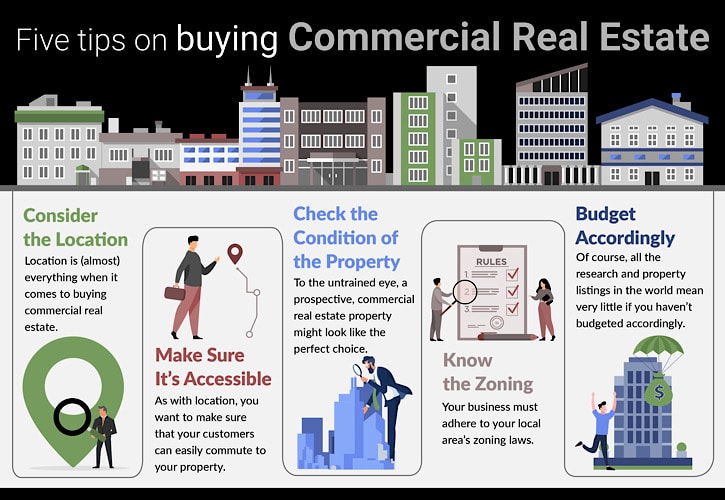
Dive into the dynamic world of commercial real estate, where opportunity and strategy align. In this space, astute investors thrive by grasping the nuances that drive property values and market trends.
The commercial property market is more than just bricks and mortar—it’s a lively ecosystem influenced by various factors. Knowing these can be your key to unlocking substantial returns. Economic cycles, supply, and demand play pivotal roles in shaping the landscape.
The Influence of Economic Cycles on Property Values
The ebb and flow of economic cycles are like the tides shaping the shoreline—determining what properties shine or sink. During economic booms, commercial properties often see a surge in demand, leading to increased values and rental rates. However, in recessionary periods, the demand may wane, and property values can face downward pressure. Understanding these cycles is crucial for timing your investments right.
The Role of Supply and Demand in Pricing
Supply and demand are the heartbeats of the commercial property market. When demand outstrips supply, expect to see soaring prices and competitive bidding. Conversely, when there’s an oversupply, prices may stagnate or even drop, presenting potential bargains for the savvy investor. Mastering this art requires a keen eye on market trends and demographic shifts.
Types of Commercial Properties
Commercial properties come in various shapes and purposes, each offering unique investment opportunities. Here’s a snapshot of their differences:
| Type | Description | Main Tenants |
|---|---|---|
| Office | Spaces designed for business operations and administrative functions. | Corporations, start-ups, co-working spaces |
| Retail | Properties used by businesses to display and sell products. | Shops, boutiques, supermarkets |
| Industrial | Facilities for manufacturing, logistics, and warehousing. | Factories, distribution centers, warehouses |
| Multi-family | Residential properties with multiple units for living. | Apartment complexes, townhouses |
| Hospitality | Accommodations for travelers and tourists. | Hotels, motels, resorts |
In the world of commercial property, knowledge isn’t just power—it’s profit.
Key Factors to Consider When Buying Commercial Property
Diving into the world of commercial property investment is exhilarating, but it’s crucial to be equipped with the right tools and knowledge. Making informed decisions can mean the difference between a profitable investment and a costly mistake.
Understanding the key factors that affect commercial property valuation and investment ensures a strategic approach that maximizes returns while minimizing risks.
Essential Criteria for Evaluating Commercial Properties
When evaluating commercial properties, it’s essential to focus on several criteria that determine their value and potential. The condition of the property, its size, and zoning regulations are primary factors. Additionally, tenant mix and lease terms play a vital role in assessing the property’s current and future profitability.
Conducting a thorough analysis of these factors will provide a clearer picture of the investment’s potential.
Legal and Financial Considerations Checklist
Before finalizing any purchase, ensure you have checked all legal and financial boxes:
- Confirm property zoning and land use regulations.
- Review lease agreements and tenant information.
- Inspect property titles for any encumbrances.
- Assess financing options and interest rates.
- Evaluate tax implications and benefits.
Addressing these considerations will provide a solid foundation for a successful commercial property transaction.
Importance of Location and Accessibility
The age-old adage in real estate remains true: “Location, location, location.” The property’s location not only affects its current market value but also its growth potential. Proximity to transport hubs, client demographic, and infrastructure are critical elements that dictate the property’s appeal.
Ensure that the location aligns with your business objectives and target market to leverage the full potential of your investment.
The Commercial Property Buying Process Flowchart
Visualizing the buying process can streamline the journey from interest to ownership. Here’s a simplified flowchart to guide you:
[ Identify Investment Goals ] --> [ Research Market Trends ] --> [ Shortlist Properties ] -->
[ Evaluate Financial Feasibility ] --> [ Conduct Property Inspections ] --> [ Negotiate Purchase Terms ] -->
[ Secure Financing ] --> [ Finalize Legal Documentation ] --> [ Complete Transaction ]
This structured approach can help in navigating the complexities of commercial property acquisition while ensuring no critical step is overlooked.
Strategic Tips for Investing in Commercial Real Estate
Diving into the world of commercial real estate can be a lucrative journey filled with potential profit and growth. However, it requires strategic planning and insightful decision-making to truly maximize the returns on your investments.
Whether you’re a seasoned investor or a newcomer, understanding the intricacies of commercial property investments can significantly influence your financial success. Here’s a deep dive into making the most out of your commercial property ventures.
Maximizing Returns on Commercial Property Investments
To truly amplify profits from your commercial real estate investments, consider a few key strategies. One powerful method is leveraging market trends to your advantage. By thoroughly analyzing local and national market dynamics, you can pinpoint opportunities where demand outweighs supply, driving rental rates higher.
- Identify emerging neighborhoods with potential growth.
- Invest in properties with robust tenant demand to ensure consistent cash flow.
- Implement value-add strategies such as renovation or redevelopment to increase property value.
Risk Management Techniques in Commercial Real Estate
Mitigating risks is a critical aspect of successful real estate investing. By employing strategic risk management techniques, you can safeguard your investments against unforeseen challenges. Key techniques include diversifying your property portfolio and conducting thorough due diligence.
- Perform comprehensive due diligence to evaluate potential risks and rewards before acquiring a property.
- Diversify your portfolio by investing in various types of commercial properties, like retail, office, and industrial spaces.
- Engage in regular market research to stay ahead of economic shifts and market trends.
Direct Investment Versus REITs: Benefits and Challenges
| Aspect | Direct Investment | REITs |
|---|---|---|
| Control | Full operational control | Limited influence |
| Liquidity | Less liquid due to property sale processes | Highly liquid, similar to stocks |
| Entry Costs | High initial investment | Lower entry cost, accessible to more investors |
Choosing between direct investment and Real Estate Investment Trusts (REITs) depends on your investment goals and preferences. Direct investments offer greater control but require significant capital and involvement. In contrast, REITs provide diversification and liquidity, ideal for those seeking passive income.
Assessing Potential Investment Opportunities
Before committing your hard-earned money to a commercial property, a comprehensive assessment is crucial. Start by evaluating the property’s location, as this can drastically impact its long-term value. Consider the economic health and growth potential of the area, as well as accessibility and local amenities.
- Analyze the financials thoroughly, including projected cash flows and potential tax implications.
- Examine the current tenant mix and stability of rental agreements.
- Consult with local market experts to gain insight into future developments in the area.
“In real estate, the three most important factors are location, location, location.”
Ultimately, a well-rounded understanding of these strategic elements will empower you to make informed decisions, ensuring your commercial real estate investments are not just successful, but exceptional.
Financing Options for Commercial Property Purchases
Unlocking the door to commercial property ownership isn’t just about finding the right space—it’s about securing the right financial backing. Navigating the sea of financing choices can be daunting, but with strategic insights, your investment dreams can become reality.
From traditional bank loans to creative financing strategies, understanding your options is crucial. Not only does the right financing structure support your immediate purchase needs, but it also defines your long-term success. Let’s dive into the myriad of choices available and prepare you for this exciting journey!
Exploring Traditional and Alternative Financing
Commercial property acquisitions often involve significant capital, and choosing the right financing option is a critical step. Traditional bank loans, Small Business Administration (SBA) loans, and commercial mortgage-backed securities (CMBS) offer structured pathways, while joint ventures and private lending provide flexible alternatives. Each option presents its own benefits and drawbacks.
- Traditional Bank Loans: Ideal for those with strong credit; usually offer lower interest rates but require substantial documentation and collateral.
- SBA Loans: Government-backed, these loans offer favorable terms for small business owners but can have a lengthy approval process.
- Commercial Mortgage-Backed Securities: Allow investors to pool loans together for investment opportunities, yet come with complex terms.
- Private Lending: Provides speed and flexibility, though often at higher interest rates.
- Joint Ventures: Share the risk and rewards with partners, but involve shared decision-making.
Crafting a Robust Financial Plan
Your journey towards owning commercial real estate begins with a solid financial plan. Preparation is key, and this involves assessing your financial standing, forecasting cash flows, and understanding all potential expenditures. A well-articulated plan not only aids in securing financing but also ensures seamless property management post-purchase.
Remember, “A goal without a plan is just a wish.”
Comparing Loan Structures: Pros and Cons
When it comes to choosing a loan, understanding the pros and cons of each structure is vital. Whether you opt for a fixed-rate mortgage for stable payments or a more flexible adjustable-rate mortgage, each has implications on your investment.
| Loan Type | Pros | Cons |
|---|---|---|
| Fixed-Rate Mortgage | Predictable payments, protection against market fluctuations | Higher initial interest rates |
| Adjustable-Rate Mortgage (ARM) | Lower initial rates, potential savings if rates drop | Uncertainty in long-term payments |
| Interest-Only Loans | Lower initial payments, potential cash flow flexibility | Higher long-term costs, potential payment shock |
Interest Rates, Terms, and Conditions: A Detailed Comparison
Decoding the landscape of commercial property financing involves a careful comparison of interest rates, terms, and conditions. Here’s a breakdown of what to expect with each option, helping you to tailor your approach to the nuances of the market.
| Financing Option | Interest Rates | Terms | Conditions |
|---|---|---|---|
| Traditional Bank Loan | 3-6% | 5-20 years | Requires strong credit and substantial collateral |
| SBA Loan | 5-8% | 10-25 years | Lengthy approval, stringent eligibility requirements |
| CMBS | 4-7% | 5-10 years | Complex terms, requires larger deals |
| Private Lending | 7-12% | Varies | Flexible terms, swift approval |
Navigating Legal and Regulatory Requirements
When diving into the realm of commercial property, understanding the legal and regulatory landscape is crucial. This section will guide you through the complexities of the legal framework governing commercial real estate, ensuring your investment is both sound and secure.
Mastering the legal due diligence process can save you from costly errors and ensure a smooth transaction. From unearthing hidden liabilities to verifying the authenticity of property documents, legal due diligence is your protective shield against unforeseen legal entanglements.
Understanding Zoning Laws and Their Impact
Zoning laws dictate how a property can be used, shaping the potential of your commercial investment. Understanding zoning classifications and possible restrictions is essential to unlocking the property’s true potential.
- Check local zoning maps and regulations.
- Consult with a zoning attorney for expert advice.
- Consider future zoning changes that might impact your investment.
The Role of Environmental Regulations in Commercial Property Purchases
Environmental regulations can have a profound impact on property value and usability. From contamination issues to protected wildlife habitats, these regulations ensure that environmental and public health considerations are met.
Before purchasing commercial property, engage in an Environmental Site Assessment (ESA) to identify any potential liabilities. Be prepared to address issues such as soil contamination or asbestos, which can not only affect your investment but also your reputation.
Essential Steps for Regulatory Compliance
Compliance with regulatory requirements is non-negotiable. Ensuring that your commercial property meets all legal standards is foundational to a successful investment.
- Obtain necessary permits and licenses.
- Conduct thorough property inspections.
- Review all title and deed documents.
- Ensure adherence to building codes and standards.
- Regularly update compliance strategies with changing laws.
“Navigating the labyrinth of legal and regulatory requirements can seem daunting, but with diligence and expert guidance, it transforms into a path of opportunity.”
Future Trends in Commercial Real Estate
The commercial real estate landscape is evolving at an unprecedented pace, driven by technological innovations and shifting societal norms. Let’s dive into the emerging trends that are poised to redefine this sector.
Technological advancements and changing work environments are pivotal in shaping new opportunities and challenges in commercial real estate. This dynamic field demands adaptability and foresight as we navigate these transformative times.
Emerging Technologies Transforming Real Estate
Technology is not just influencing but revolutionizing the way commercial real estate operates. The integration of artificial intelligence (AI) and data analytics allows for more precise market predictions and optimized asset management. Virtual reality (VR) and augmented reality (AR) are enhancing property visualization, offering immersive experiences for prospective buyers and tenants. Furthermore, blockchain technology is streamlining transactions, ensuring security and transparency like never before. As these technologies continue to mature, they will undoubtedly become indispensable tools for industry leaders.
Identifying Growth Markets and Sectors
Identifying the next big market or sector is akin to finding a needle in a haystack, yet current trends provide valuable clues. The rise of e-commerce has fueled demand for industrial spaces and logistics hubs, while the healthcare sector’s expansion calls for more specialized facilities. Additionally, secondary cities are emerging as hotbeds for commercial growth, offering competitive advantages such as lower costs and untapped potential. Investors who keenly observe these developments stand to gain significantly.
Impact of Remote Work on Property Demand
The shift towards remote work is reshaping the needs of office spaces, with businesses reconsidering their spatial requirements. This transformation is fostering a demand for flexible workspaces that combine home-comfort with professional amenities. Moreover, hybrid models are gaining popularity, necessitating adaptable environments that support fluctuating workforce numbers. Property developers and investors must pivot strategies to accommodate these new preferences, ensuring offerings align with contemporary work culture.
Sustainable Practices in Real Estate
Sustainability is not just a trend but a necessity in today’s commercial real estate market. Environmentally conscious practices are becoming a cornerstone of development, driven by both regulatory pressures and consumer demand. Developers are incorporating green technologies, such as solar panels and energy-efficient systems, to reduce carbon footprints and operational costs. Sustainable buildings not only appeal to eco-conscious tenants but also bolster long-term asset value, making them attractive investments in an increasingly competitive market.
Last Word
As you reach the end of this guide, it’s clear that the path to mastering the commercial property market is paved with knowledge, strategy, and foresight. With the right tools and insights, you can transform potential challenges into lucrative opportunities. Embrace the future of commercial real estate with confidence, understanding the trends that will shape tomorrow and the strategies that will lead to success. Remember, every great investment begins with a single, informed step.
