Imagine a world where selling your house is a smooth, rewarding adventure, not a daunting task. Whether you’re downsizing, upsizing, or relocating, your home has a story, and now it’s time to let that story captivate a new owner. Our guide will walk you through the art of selling your home swiftly and lucratively, ensuring every step is a step closer to success.
In the bustling world of real estate, understanding market trends and preparing your property can make all the difference. We invite you to take a thrilling plunge into the essential tips and strategies that promise not just a sale, but a profitable and satisfying one. Are you ready to transform the way you sell your house?
Understanding the Real Estate Market
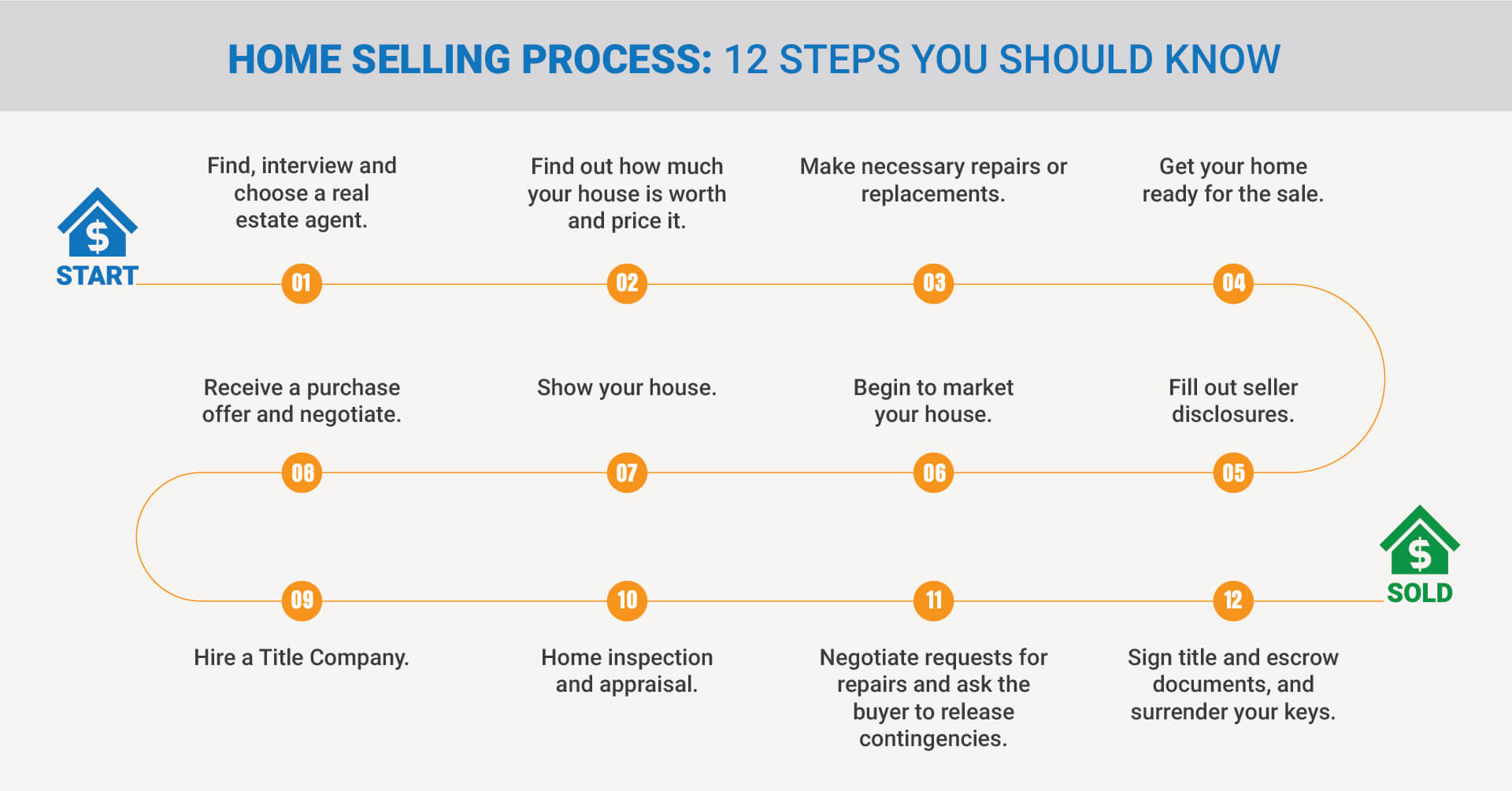
To sell your house quickly and profitably, you must first navigate the dynamic landscape of the real estate market. Understanding its nuances can significantly impact your selling strategy and final sale price.
The real estate market is influenced by various factors, including economic conditions, interest rates, and local demand. By staying informed about these trends, you can position your property effectively and attract the right buyers.
Current Trends in the Real Estate Market
In today’s market, we’re witnessing several notable trends. Urban areas are seeing a resurgence in demand as remote workers return to offices, driving up property values in these regions. Additionally, the rise of sustainable living has made eco-friendly homes more desirable. Understanding these trends can help you tailor your property to meet market demands.
Factors Affecting Property Prices In Your Area
The price of your property is influenced by multiple elements. Location remains a critical factor, with proximity to amenities like schools and shopping centers enhancing value. Furthermore, the condition of your home, including modern upgrades and maintenance, plays a crucial role. Economic indicators such as employment rates and inflation also impact property prices, so keeping an eye on these can guide your pricing strategy.
Key Indicators of a Buyer’s or Seller’s Market
Recognizing whether you’re in a buyer’s or seller’s market can significantly alter your selling approach. In a seller’s market, demand outstrips supply, leading to higher prices and quicker sales. Key indicators include low inventory levels and rising home prices. Conversely, a buyer’s market is characterized by high inventory and longer selling times, often resulting in more competitive pricing.
Knowledge is power: leverage market insights to elevate your selling strategy.
Preparing Your House for Sale
Getting ready to sell your home is an exciting journey, but it demands strategic preparation. Properly preparing your property can significantly enhance its appeal and help you achieve a quick and profitable sale.
By focusing on essential repairs and staging, you can create an inviting environment where buyers can envision their future.
Essential Home Repairs and Improvements Checklist
Before listing your house, it’s crucial to tackle any outstanding repairs and make necessary improvements. A well-maintained home not only attracts buyers but also boosts their confidence in their investment.
- Inspect and fix any leaks in plumbing and roofing.
- Touch up paint on walls, doors, and trims for a fresh look.
- Ensure all light fixtures are functional and replace outdated ones.
- Repair or replace damaged tiles and flooring.
- Remove clutter and organize storage spaces to showcase ample room.
Staging Your Home for Potential Buyers
Staging is a powerful tool that can transform a property, making it more attractive to potential buyers. It allows them to see the full potential of your home and envision themselves living there. A well-staged home can also lead to higher offers.
Focus on creating a neutral, welcoming atmosphere by:
- Depersonalizing spaces by removing family photos and personal items.
- Using neutral color palettes to appeal to a wide range of tastes.
- Rearranging furniture to maximize space and functionality.
- Adding fresh flowers or plants to bring life and color to rooms.
Timeline for Pre-Sale Preparation Activities
A well-structured timeline will keep your preparations on track, ensuring nothing is overlooked. Start your pre-sale activities early to avoid last-minute stress.
Planning ahead is the key to a seamless selling process.
| Activity | Timeframe |
|---|---|
| Initial Inspection and Repair Assessment | 8-10 weeks before listing |
| Implement Repairs and Improvements | 6-8 weeks before listing |
| Begin Staging Process | 4-6 weeks before listing |
| Final Touches and Deep Cleaning | 1-2 weeks before listing |
Setting the Right Price
Setting the right price for your home is both an art and a science. It can significantly influence how quickly your property sells and the profit you make.
Understanding the nuances of pricing strategies can empower you to make informed decisions that align with your financial goals. Whether you’re looking to sell quickly or maximize profit, the right price is key.
Strategies to Determine the Optimal Selling Price
Determining the optimal selling price involves a comprehensive analysis of various factors, including market trends, location, and your property’s unique characteristics. Comparative Market Analysis (CMA) is a fundamental tool that provides insights into how much similar properties in your area have sold for. This data-driven approach helps in setting a competitive price.
Beyond CMA, consider leveraging psychological pricing. This strategy involves setting a price that is just below a round number, such as pricing your home at $299,000 instead of $300,000, to create a perception of value.
Pricing Models and Their Impact on Sales
Different pricing models can have varied impacts on the speed and profitability of your sale. Below is a comparison of the most common pricing strategies:
| Pricing Model | Impact | Advantages |
|---|---|---|
| Competitive Pricing | Moderate sales speed | Attracts reasonable offers quickly |
| High Pricing | Slower sales | Potentially higher profit if the buyer is found |
| Low Pricing | Quick sales | Generates interest and potentially multiple offers |
While high pricing might seem appealing, it can lead to your property languishing on the market. Conversely, a lower price might attract a bidding war, driving up the final sale price.
The Role of Property Appraisals in Pricing Decisions
A professional property appraisal is a critical step in the pricing process. An appraiser provides an unbiased estimate of your property’s value based on a variety of factors, including location, condition, and comparable sales. This objective assessment can serve as a
guiding compass
in setting a competitive price.
Appraisals also lend credibility to your asking price in the eyes of potential buyers and their lenders. This can smooth negotiations and expedite the closing process, ultimately leading to a successful sale.
Marketing and Advertising Your Property
Embarking on the journey of selling your house is as much about the art of showcasing as it is about the value it holds. Effective marketing and advertising are your golden tickets to capturing the perfect buyer’s attention, ensuring that your property stands out in a crowded market.
In the digital age, where buyers are just a click away from endless listings, crafting a strategic marketing plan that combines both online and offline tactics is not just advisable—it’s essential. Let’s delve into the world of property promotion and uncover the secrets to making your real estate listing irresistible.
Create a Comprehensive Marketing Plan
Ensuring your property gets the attention it deserves requires a well-rounded marketing plan. Embrace an approach that combines both online and offline strategies to reach a diverse audience. Start by identifying your target demographic—are they first-time homebuyers, families, or investors? Tailor your methods to appeal directly to these groups.
- Online Strategies: Utilize social media platforms to showcase your property. Facebook, Instagram, and even LinkedIn can be engaged for wide-reaching campaigns.
- Offline Strategies: Don’t underestimate the power of traditional methods—flyers, open houses, and community bulletin boards can offer a personal touch.
- Network with local realtors and real estate agencies to leverage their buyer lists.
Enhancing Your Property’s Online Presence
A strong online presence is crucial in today’s digital marketplace. You want your property to be the first thing prospective buyers see when they begin their search. This involves more than just listing your property on popular sites; it’s about making it unforgettable.
- Invest in professional photography to capture your house in the best light. Images are a buyer’s first impression.
- Create a captivating virtual tour to allow potential buyers to explore the property from the comfort of their home.
- Optimize your property listing for search engines using relevant s and phrases. This will increase visibility and attract more traffic.
Crafting Effective Real Estate Listing Descriptions
Your listing description is the narrative that invites buyers to envision their future in your home. It should be descriptive yet concise, painting a picture that is as inviting as it is informative. Below are examples of effective real estate listing descriptions, showcasing what makes each one stand out.
| Description Example | Key Elements |
|---|---|
| “Experience luxury living in this modern 3-bedroom downtown condo, featuring breathtaking skyline views and a gourmet kitchen perfect for entertaining.” | Emphasizes luxury, location, and lifestyle benefits. |
| “Charming 4-bedroom family home nestled in a quiet cul-de-sac, with a spacious backyard, ideal for outdoor gatherings and children’s play.” | Highlights family-friendly features, privacy, and outdoor space. |
| “Cozy 2-bedroom cottage with rustic charm, boasting original woodwork and a serene garden oasis, just minutes from the local town center.” | Focuses on unique features, ambiance, and convenience. |
Remember, a well-marketed home isn’t just sold; it tells a story that turns buyers into homeowners.
Negotiating Offers and Closing the Deal
As the offers come rolling in, the true art of selling your house begins. Negotiation is a delicate dance where both sides aim for satisfaction, yet only the most prepared will waltz away with the best deal.
The negotiation stage is where you turn interest into action, ensuring both parties walk away with a sense of victory. It’s crucial to approach this phase with a clear strategy, knowledge of legalities, and a step-by-step plan for closing.
Strategic Negotiation Tactics
Negotiation isn’t just about getting the highest price; it’s about crafting a win-win scenario where both seller and buyer feel valued. Consider these tactics:
- Understand Buyer’s Motivations: Knowing what the buyer values most can help tailor your offers. Are they looking for a quick move-in date? Is a price reduction more appealing than home repairs?
- Be Open to Compromise: Flexibility can often yield better results. Offering to cover closing costs or including appliances could seal the deal.
- Establish a Bottom Line: Determine your minimum acceptable offer beforehand and stay firm to avoid post-sale regrets.
- Utilize Professional Negotiators: A skilled real estate agent can provide insights and manage emotional negotiations with ease.
Legal Considerations in Property Sales
Legalities can make or break a sale. Ensure you’re prepared with the right knowledge and documentation:
- Review Contracts Thoroughly: Every clause can have consequences, so understanding the contract is vital.
- Disclose Property Issues: Transparency about defects not only builds trust but also protects you from future legal claims.
- Ensure Compliance with Local Laws: Real estate regulations can vary significantly, and compliance is non-negotiable.
- Engage a Real Estate Attorney: Legal expertise can safeguard the transaction from unforeseen complications.
Step-by-Step Guide to Closing the Deal
Once negotiations are successful, it’s time to close the deal. This process might seem daunting, but breaking it down into steps can simplify it:
- Open Escrow: A neutral third party holds funds while pending conditions are met.
- Title Search and Insurance: Ensure the property title is clear, and purchase insurance for protection against future claims.
- Home Inspection: Conduct a thorough inspection to identify potential repairs or renegotiation points.
- Appraisal: Verify the property’s market value to secure financing.
- Final Walkthrough: Confirm the property’s condition matches the contract terms.
- Sign Closing Documents: Both parties complete necessary paperwork to finalize the sale.
- Transfer Funds and Ownership: The buyer pays, and ownership is officially transferred.
“The closing is the culmination of hard work and negotiation – where every detail aligns for a successful handover.”
Post-Sale Considerations
The sale is done, but your journey isn’t over. Now, it’s time to navigate the post-sale landscape with confidence and foresight.
Understanding the nuances of what comes after the sale can save you money and stress, making your transition to the next chapter a smooth one.
Understanding the Tax Implications
Selling your property often means facing the reality of potential tax obligations. It’s crucial to understand capital gains tax, which may apply if your property has appreciated in value since purchase. You may be eligible for exemptions, such as the primary residence exclusion, which can significantly reduce your taxable amount. Consult a tax professional to explore all avenues and ensure you are in compliance with IRS regulations.
Smooth Transition to Your Next Home
Moving on from your current home can be both thrilling and overwhelming. To ensure a seamless transition, start by organizing your move well in advance. Take inventory of your possessions and decide what will make the journey with you and what won’t. Hiring a reputable moving company can alleviate significant stress, allowing you to focus on settling into your new environment. Remember, it’s not just about moving belongings; it’s about moving memories and comfort into your new space.
The Importance of Feedback
Once the sale is complete, gathering feedback from buyers and agents can provide valuable insights for the future. Was there a common theme in the offers you received? Did agents suggest improvements in your listing or staging? This information is not just for self-reflection—it’s a powerful tool for improving your approach in any future sales. Remember, every piece of feedback is a stepping stone to becoming a more informed and effective seller.
Final Thoughts
As you embark on this journey of selling your property, remember that knowledge, preparation, and a sprinkle of creativity are your best allies. With the right strategies, your home will stand out in the market, capturing the hearts of eager buyers. So, embrace the process, apply these essential tips, and watch as your property not only sells fast but also yields the profits you’ve dreamed of. Here’s to a successful sale and a promising new chapter!

