Are you ready to embark on a journey to unlock the potential of the land market? Whether you’re dreaming of a serene residential plot, a bustling commercial spot, or a lush agricultural expanse, understanding land types is your first step towards making an informed decision. Navigating the world of land for sale can be as exciting as it is rewarding, especially when you have the right knowledge at your fingertips.
Let us guide you through this fascinating landscape, where each type of land offers unique opportunities and challenges. From considering the rich soil of agricultural land to understanding the bustling possibilities of commercial plots, we’re here to help you discover the perfect piece of paradise. So, let’s dive in and explore the intricacies of land types, considerations, financing options, and legal aspects, ensuring your journey is as seamless as it is successful.
Types of Land for Sale
Delving into the world of land sales, you uncover a variety of land types each tailored to different needs and visions. Knowing the distinctions between these types is essential for making informed decisions.
From residential havens to bustling commercial zones, and from fertile agricultural fields to serene recreational spots, each land category offers unique opportunities and challenges. Understanding these differences not only guides your purchase but also helps in realizing the full potential of the land.
Residential Land
Residential land is intended for housing development and is often found in bustling neighborhoods or quiet suburbs. It’s a canvas where homes are built, families grow, and communities thrive.
- Characteristics: Zoning regulations for housing, accessibility to utilities, proximity to schools and parks.
- Location Influence: Closer to urban centers, the higher the demand and price due to convenience and existing infrastructure.
Commercial Land
Commercial land is designed for business use, accommodating everything from retail stores to office buildings. It’s the hub of economic activity, where trade and services flourish.
- Characteristics: Zoning laws for businesses, high foot traffic, visibility.
- Examples: Shopping centers, office complexes.
- Location Influence: Proximity to transportation hubs and densely populated areas increases value.
Agricultural Land
Rich in potential, agricultural land is used for farming and livestock. It’s the backbone of food production and a crucial element of rural economies.
- Characteristics: Soil quality, water availability, climate conditions.
- Examples: Farmlands, orchards.
- Location Influence: Remote areas with vast spaces and favorable climate conditions are ideal for agriculture.
Recreational Land
Recreational land offers a retreat from the hustle and bustle, earmarked for leisure and tourism. It’s where nature’s beauty is harnessed for enjoyment and relaxation.
- Characteristics: Natural beauty, accessibility, minimal development.
- Examples: Camping grounds, resorts.
- Location Influence: Proximity to natural attractions like mountains, lakes, and forests enhances appeal.
| Type of Land | Key Characteristics | Examples | Location Influence |
|---|---|---|---|
| Residential | Housing development, utilities | Neighborhoods | Urban proximity boosts demand |
| Commercial | Business zoning, high traffic | Shopping malls | Near transport hubs |
| Agricultural | Soil quality, water access | Farms | Rural with favorable climate |
| Recreational | Natural beauty, accessibility | Resorts | Near natural attractions |
Understanding the type of land and its inherent qualities is the first step towards turning a piece of earth into your vision of prosperity.
Key Considerations When Buying Land
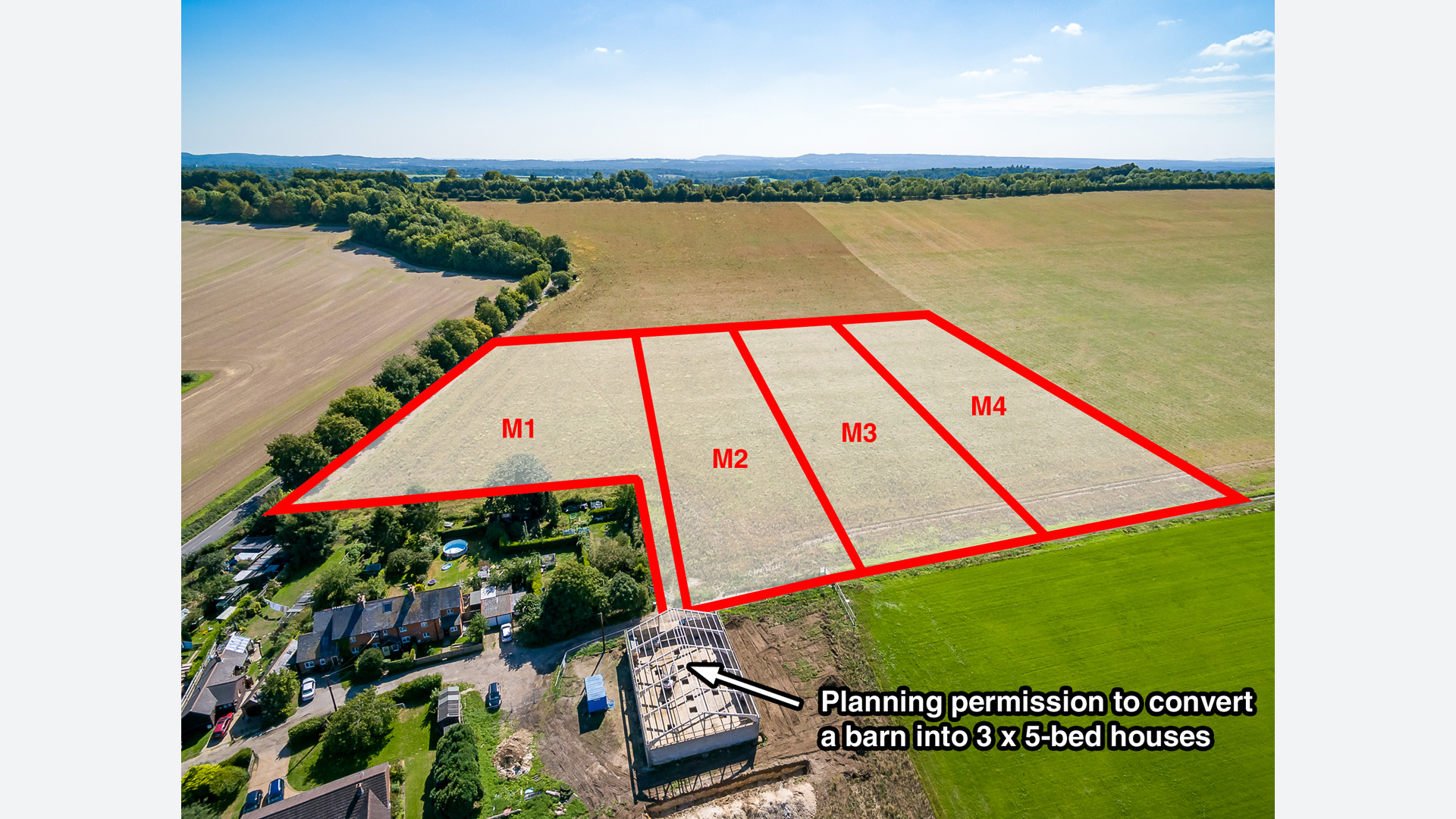
Embarking on the journey of purchasing land is a thrilling venture, one that promises vast potential and limitless possibilities. However, to ensure your investment is sound, delving into the critical nuances of land acquisition is essential.
Understanding the intricacies of soil quality, zoning laws, and accessibility forms the backbone of informed decision-making in land buying. These factors, coupled with considerations of environmental impacts and utility access, forge a comprehensive guide for prospective landowners.
Soil Quality and Its Impact on Future Land Use
The foundation of any land’s value begins beneath the surface: the soil. Soil quality profoundly influences what you can do with your land, affecting everything from agricultural prospects to construction feasibility. Discovering the type of soil—whether sandy, clay, or loamy—can dictate the suitability for various crops or the stability required for building.
Conducting a soil test is invaluable, providing insights into nutrient levels, pH balance, and drainage capabilities. Such knowledge empowers you to optimize the land’s potential, ensuring the soil aligns with your intended use and investment goals.
Zoning Laws: Navigating Legal Boundaries
Understanding the zoning laws applicable to your prospective land is crucial for aligning your vision with legal frameworks. These laws govern the permissible activities on your land, delineating residential, commercial, agricultural, or mixed-use allocations.
Zoning regulations can profoundly impact your development plans, making it vital to consult with local zoning authorities or hire a land use attorney. Staying informed ensures that your land usage adheres to legal statutes and avoids costly disputes down the line.
Accessibility and Infrastructure: The Lifeline of Land Development
Accessibility is a cornerstone of land value, dictating the ease with which you can reach and utilize your property. Consider the proximity to major roads, highways, and transportation hubs. An accessible location not only enhances convenience but also boosts the land’s marketability and future appreciation potential.
Moreover, contemplate the existing infrastructure, such as electricity, water, and sewage systems. Adequate utility access is indispensable for development, impacting both cost and feasibility. Investing in land with robust infrastructure minimizes future expenses and accelerates development timelines.
Environmental Impact: Preserving Nature’s Balance
Every land purchase carries an inherent responsibility to balance development aspirations with environmental stewardship. Evaluating the environmental impact of your plans ensures sustainability and compliance with regulations. Conduct environmental assessments to identify potential hazards or protected areas that could influence your project.
By proactively addressing these factors, you not only protect the environment but also safeguard your investment from unforeseen legal entanglements and financial liabilities.
Land Survey Requirements: Charting Your Territory
Acquiring a comprehensive land survey is a critical step in the buying process, delineating boundaries and identifying potential issues. A survey provides a detailed map of your property, highlighting easements, encroachments, and topographical features.
This document is indispensable for legal clarity, ensuring your rights are protected and disputes with neighbors are avoided. Engage a licensed surveyor to conduct this examination and anchor your purchase in precision and peace of mind.
Financing Options for Land Purchase
Navigating the world of land financing can seem like a daunting task, but with the right information, it becomes a strategic maneuver towards your dream property. Let’s dig into the financial avenues available for land purchases.
Whether you’re eyeing a sprawling rural landscape or a compact urban plot, understanding your financing options is crucial. Comparing traditional loans against alternative methods can reveal paths that align with your financial goals. Let’s explore these options in detail.
Traditional Loans Versus Alternative Financing Methods
When it comes to securing funds for purchasing land, you have two primary avenues: traditional loans and alternative financing methods. Traditionally, banks and credit unions have been the go-to sources, offering structured loans with fixed or variable interest rates. However, these loans often come with stringent requirements, such as a high credit score and substantial down payment.
On the other hand, alternative financing methods, including seller financing, personal loans, and land contracts, provide flexibility to buyers who may not meet conventional criteria. While these options can be more lenient in terms of approval, they might come with higher interest rates.
Here’s a quick comparison:
| Financing Option | Pros | Cons |
|---|---|---|
| Traditional Loans |
|
|
| Alternative Financing |
|
|
Process of Obtaining a Land Mortgage and Requirements
Securing a land mortgage involves several steps, each requiring careful attention and preparation. Initially, potential buyers must gather their financial documents, such as proof of income, credit history, and a detailed business plan for the land if it’s to be used commercially.
“Preparation is key to unlocking the door to your new land.”
Following this, the buyer will approach a lender to discuss terms and interest rates. It is crucial to understand the specifics of the mortgage, as land loans typically require higher down payments—sometimes up to 50% of the land’s value. Moreover, the repayment period tends to be shorter than a standard home mortgage.
Once approved, the buyer will proceed to closing, where all legal documents are signed, and the ownership of the land is transferred. Patience and meticulous attention to detail can ensure a smooth transition from borrower to landowner.
Legal Aspects and Documentation
Buying land is not just about finding the perfect spot; it requires navigating a labyrinth of legal procedures and documentation. Understanding these elements is crucial for a smooth and secure transaction.
The path to land ownership is laden with legal checkpoints that ensure your investment is protected and legitimate. From title searches to environmental assessments, each step brings you closer to a successful acquisition.
Essential Legal Procedures for Land Acquisition
The journey of acquiring land begins with understanding the legal landscape. First and foremost, conducting a thorough title search is imperative. This process uncovers any existing claims or liens on the property, ensuring that the seller has the rightful ownership to sell the land. Once the title is clear, a purchase agreement is drafted, outlining the terms of the sale.
Next, an escrow account is established, where funds are held until all conditions of the sale are met. This neutral ground safeguards both buyer and seller, ensuring that no party receives payment or property without fulfilling their part of the agreement. Finally, the closing process formalizes the transaction, transferring ownership to the buyer.
Documentation and Due Diligence
Proper documentation is the backbone of a legally sound land purchase. Essential documents include the deed, purchase agreement, and any applicable zoning certificates. Each document must be meticulously reviewed to prevent any future legal disputes.
- Deed: Serves as the official proof of ownership.
- Purchase Agreement: Artikels terms of sale and contingencies.
- Zoning Certificates: Confirms land use compliance.
- Survey: Verifies land boundaries and size.
Due diligence involves scrutinizing these documents, ensuring no stone is left unturned. This step may also include a physical inspection of the land and reviewing the local zoning laws, which dictate the permissible uses of the property.
The Role of Title Insurance and Environmental Assessments
Title insurance acts as a safety net for buyers, protecting against any undiscovered claims or defects in the title. It provides peace of mind, knowing that your ownership is secured against past discrepancies.
Meanwhile, an environmental assessment evaluates the land for any existing contamination or environmental issues. This assessment is crucial for identifying potential risks or liabilities, especially if you plan to develop the land. Ensuring the land is free from hazardous conditions is not only a legal requirement but a moral one, safeguarding both your investment and the environment.
“In real estate, due diligence is the difference between a savvy investment and a costly mistake.”
Market Trends and Investment Potential
In the ever-evolving landscape of real estate, land investment has emerged as a compelling opportunity that offers both stability and growth. Whether you’re an aspiring investor or a seasoned landowner, understanding the market trends and investment potential can significantly influence your decision-making process.
The current market is characterized by dynamic shifts that are affecting land prices and demand. Factors such as urbanization, technological advancements, and changes in consumer preferences are at the forefront of these transformations, making it crucial for investors to stay informed and adaptable.
Understanding Market Dynamics
Analyzing current market trends reveals that areas close to urban centers are witnessing a surge in land prices due to increasing demand for residential and commercial development. Moreover, the rise of remote work has sparked interest in rural and suburban areas, creating new opportunities for land investments. Investors need to consider factors such as zoning laws, infrastructure development, and environmental regulations to make informed decisions.
- Urban Expansion: Proximity to cities remains a key driver of demand.
- Technological Impact: Advances in tech are reshaping land use and value.
- Consumer Shifts: Preferences for sustainable living influence land desirability.
Investment Strategies and Potential Returns
Investors are exploring a range of strategies to maximize returns on their land investments. These include land banking, where investors purchase and hold land for future sale or development, and leasing land for agricultural or commercial purposes. The potential returns from these strategies can be substantial, but they require strategic planning and a keen understanding of market fluctuations.
“Land is the only thing in the world that amounts to anything, for ’tis the only thing in this world that lasts.” – Margaret Mitchell.
Scenario Analysis: Short-Term vs. Long-Term Investment Benefits
When considering land investment, it is important to weigh the benefits of short-term versus long-term strategies. A scenario analysis can provide valuable insights into the potential outcomes of each approach.
| Short-Term Investment | Long-Term Investment |
|---|---|
| Quick profits through land flipping. | Steady appreciation and value retention. |
| Higher risk due to market volatility. | Lower risk with potential for higher cumulative returns. |
| Requires active management and market timing. | Ideal for legacy building and passive income streams. |
By understanding these scenarios, investors can tailor their strategies to align with their financial goals and risk appetite, ensuring a balanced and rewarding land investment portfolio.
Sustainable and Eco-Friendly Land Development
As we step into a future where the balance between nature and urbanization becomes crucial, sustainable land development emerges as a beacon of hope. It’s not just about building for the present, but creating a legacy of care for our planet.
Embracing sustainable practices in land development is vital for preserving our environment and ensuring a harmonious relationship between human habitation and the natural world. These practices not only conserve resources but also enhance the quality of life for future generations.
Implementing Sustainable Practices in Land Development
Integrating sustainability into land development requires a comprehensive approach that spans from planning to execution. Eco-friendly practices are necessary to minimize the environmental footprint. This includes using renewable energy sources, designing energy-efficient buildings, and promoting green spaces.
For instance, solar panels and wind turbines can be installed to power communities, reducing reliance on non-renewable energy. Similarly, constructing homes with materials that have minimal environmental impact can significantly contribute to sustainability.
Eco-Friendly Land Use and Conservation Efforts
Eco-friendly land use involves maximizing the potential of the land while maintaining its ecological integrity. Conservation efforts are designed to protect wildlife and natural resources, often through the establishment of protected areas and wildlife corridors.
- Creating green corridors to allow wildlife movement.
- Maintaining natural water bodies to support biodiversity.
- Implementing permaculture principles in community gardens.
Efforts such as these not only protect the environment but also enhance the aesthetic and recreational value of the land.
Model for Integrating Sustainable Practices into Land Planning
To effectively integrate sustainable practices into land planning, a robust model focusing on key elements is essential. Here’s a proposed model that can be adapted to various contexts:
| Element | Description |
|---|---|
| Assessment | Evaluate the land’s natural resources and ecological value. |
| Design | Incorporate eco-friendly architecture and renewable energy solutions. |
| Implementation | Engage with local communities to ensure sustainable practices are followed. |
| Monitoring | Regularly assess the impact of development on the environment. |
“The integration of sustainable practices is not just a strategy, it’s a commitment to the future.”
This model emphasizes a cycle of continuous improvement, ensuring that sustainability is not a one-time effort but a perpetual process.
Last Word
As we conclude our exploration of the multifaceted world of land for sale, remember that each plot holds a treasure trove of possibilities. By understanding the nuances of land types, carefully considering key factors, and navigating the legal and financial aspects with confidence, you’re well on your way to making a wise investment. Embrace the potential that lies within the earth beneath your feet, and let your dreams take root and flourish.

